By Israel Mbam
A non governmental organisation, Nutrition for Better Economy, Gender, lifestyle and Agricultural Foundation (NEEGLAR) has flagged off community and group awareness campaigns and responses to Dementia disease in Ebonyi State.
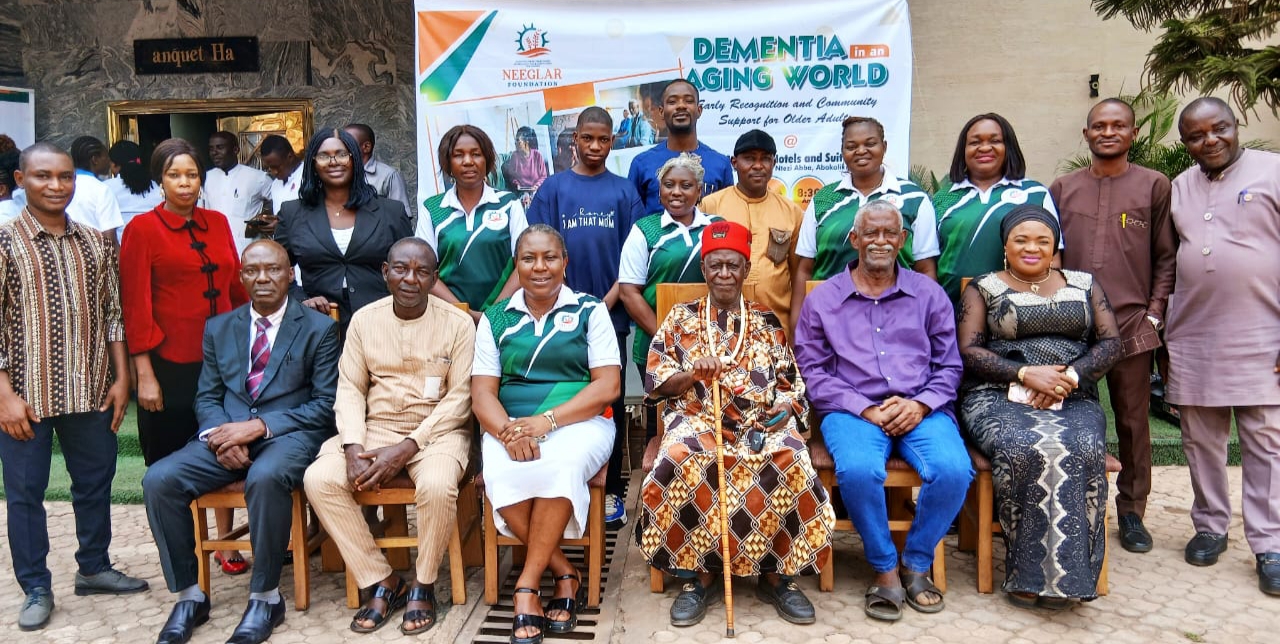
Speaking at the one day capacity-building workshop held at Monablis Hotels Abakaliki with the theme “Dementia in an Ageing World: Early Recognition and Community Support,” the Executive Director of the NEEGLAR Foundation, Mrs. Chinenye Azu Udu, emphasised the need for a coordinated national response to dementia as Nigeria’s ageing population continues to grow, warning that the condition remains largely under-recognised and misunderstood across many communities.
Mrs. Azu Udu called for more collaborations and efforts to strengthen community-level health systems to improve early detection, reduce stigma, and support families caring for people living with dementia.
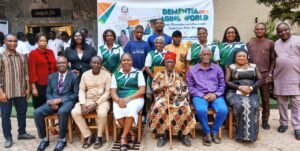
According to Mrs. Azu Udu, many dementia symptoms are often wrongly attributed to normal ageing or cultural myths, leading to delayed diagnosis and inadequate care for older persons.
“Across Nigeria, dementia remains under-recognised, under-documented, and frequently misunderstood. In many communities, symptoms are attributed to ageing myths rather than clinical conditions,” she explained.
Speaking further, she said, “This gap contributes to delayed diagnosis, increased caregiver burden, and social exclusion of older persons who require support and dignity in their later years.”
She explained that the capacity-building programme was designed to strengthen the ability of frontline health workers to recognise early symptoms of dementia and guide affected families toward appropriate medical support, adding that primary healthcare workers, remains the first point of contact for many families, and that they play a critical role in improving early detection and response.
“At NEEGLAR Foundation, we believe sustainable change begins at the primary healthcare level. By strengthening the capacity of frontline health workers, we strengthen the entire health response chain,” she said.
In a paper presentation on Nutrition for Brain Health: Preventing and Managing Dementia in older adults, a nutritionist Dr. Cyril Ogbonna defined Deminitia as progressive neurologenative disorder characterized by the decline of cognitive functions, including memory, reasoning and communication abilities. He noted that the brain uses about 20% of the body energy and that poor nutrition can accelerate brain ageing while good nutrition helps protect neurons and cognitive function.
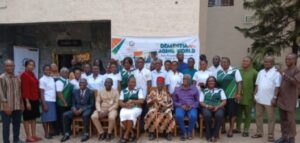
Also speaking on Dementia in an ageing world: Early Recognition and Community Support, Dr. David Nweke of AE-FUTHA said ignorance of Dementia in communities have made people to attribute it to spiritual forces and evil doing. He called for more awareness campaigns on causes, prevention and management of dementia in the society.
The research framework coordinator, Kelechi Eluigwe who serves as the project’s research lead in Ebonyi State also explained that the workshop aims at improving early recognition of dementia symptoms, establishing clearer referral pathways, strengthening caregiver education, and reducing stigma through community awareness. Participants were also trained on documentation and data collection to support evidence-based planning and policy development. He emphasised that the initiative goes beyond training, describing it as part of a broader strategy to build sustainable community health systems capable of addressing the growing challenges of an ageing population.
“We are not merely delivering training; we are building systems. The programme also incorporates a research component to generate reliable data on dementia awareness, diagnosis patterns, and referral trends within communities. Pre- and post-training assessments, field documentation, and follow-up monitoring will evaluate programme effectiveness and guide future scale-up across additional local government areas”
Goodwill messages were presented by the State Commissioner for Information and State Orientation, Barr. Ikeuwa Omebe who was represented by Mr. Anya Nkama, Ebonyi State CAN Chairman, traditional Rulers and other dignitaries.
The training had in attendance stakeholders including the Ebonyi State Ministry of Information and State Orientation, Community Health Extension Workers (CHEWs), development partners, CDOs and health stakeholders to enhance grassroots understanding and response to dementia across Ebonyi State.