By Israel Mbam
To further sensitize citizens on integrated sexual and reproductive health and rights (SRHR) and communicable diseases services for adolescents and young people in primary health facilities in Ebonyi State, one of the
civil society organisations implementing the programme in the State; Daughters of Virtue Empowerment Initiative (DOVENET) has called on journalists to join the campaign aimed at stepping information on the integrated sexual and reproductive health services to people at the rural areas.
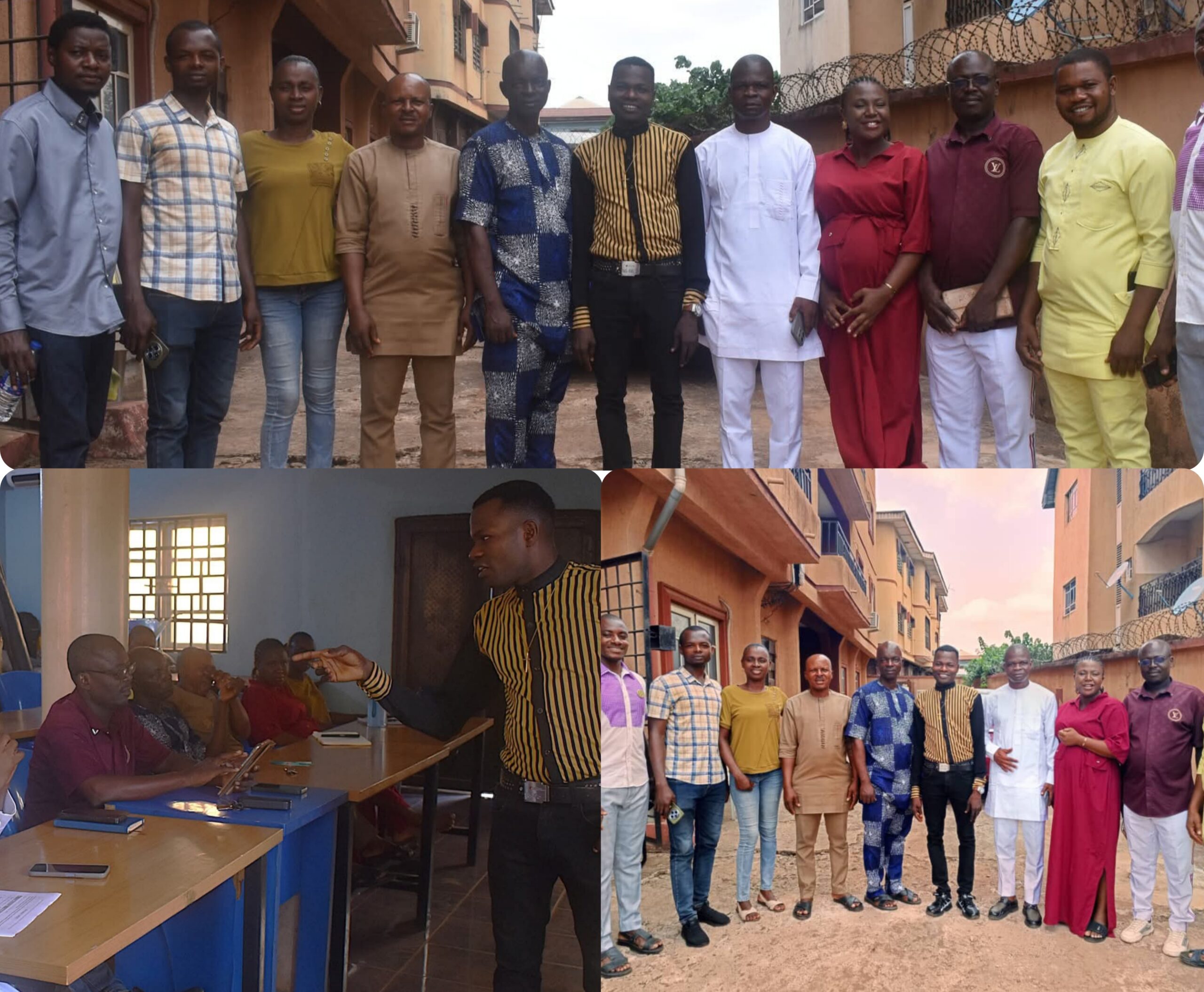
Addressing some Journalists in a media parley held recently in Abakaliki, DOVENET noted that the persistent gaps in service delivery at the Primary Health Centres PHCs levels, including fragmented care, weak referral systems, stigma and discrimination, poor service integration, limited youth-friendly services, and weak community–facility linkages, among others, have continued to negatively affect adolescents, young people, women, and the vulnerable population’s, resulting to unmitigated access to comprehensive care, including reproductive health services.

DOVENET’s Executive Director, Mrs Ugo Nnachi, represented by the organisation’s Monitoring and Evaluation Officer, Mr. Peter Ewa, explained that the organisation, in partnership with Jhpiego, is working on a project to strengthen access to inclusive, youth-friendly, and integrated primary health care services in Ebonyi State.
According to him, the project tagged: “Advancing Integrated Health Services Including Sexual and Reproductive Health and Rights (SRHR) and Communicable Diseases (CD) Intervention, is aimed at closing the gaps and ensuring improved, equitable access to integrated, people-centred, youth-friendly SRHR and communicable disease services at community and PHC levels through strengthened systems, partnerships, and service through non-discriminatory delivery models.
He advocated for an integrated service delivery model in PHCs which combines family planning, maternal health, adolescent SRHR, Gender-Based violence prevention/response, cervical cancer awareness, postpartum male engagement with communicable diseases such as malaria, HIV, TB, STIs and viral hepatitis.
He added that strengthening health systems through community-facility linkages, improved referral systems, data quality improvement, supportive supervision, community case management, demand creation, and facility mentoring would also enhance service delivery.
“This integrated approach ensures that clients receive comprehensive, coordinated, and dignified care across services, rather than fragmented interventions, while promoting sustainability through local ownership”, he emphasized.
Ewa solicited the collaboration of the media in promoting inclusivity in health services in the state, including the advocacy for unhindered sexual and reproductive health and rights services for adolescents and young people, adding that such approach would help guarantee the future of young people in our present technological driven world with its positive and negative influences and outcomes.

“We can’t continue to pretend. Our adolescents and other young people in our communities are now more exposed and vulnerable, and if we shy away from offering them the right reproductive health services in a formal facility with the right and friendly environment a d expertise, they may become prey to quacks or fall into undesirable experiences that may jeopardize their future” he submitted.